
Safety Equipment Compliance: Why It Matters for Coverage, Liability, and Safe Operation
Safety equipment is one of the most visible indicators of whether a vessel is being operated responsibly. Yet for many owners, equipment compliance is misunderstood, overlooked, or treated as a “check-the-box” requirement for inspections or licensing. In reality, safety equipment plays a direct role not only in passenger safety but also in maintaining uninterrupted insurance coverage.
This article explains what “compliant safety equipment” truly means under Transport Canada regulations, how manufacturer requirements affect your obligations, and why expired or poorly maintained equipment can expose the owner/operator to significant liability—even when the equipment is not legally required.
________________________________________
1. Compliance Starts With Transport Canada—But Doesn’t End There
Under the Small Vessel Regulations, all required safety equipment must be:
• Approved (TC, UL, or equivalent)
• Appropriate for the vessel and risk
• Accessible and ready for immediate use
• Maintained in good working order
This applies to items such as:
• Portable fire extinguishers
• Lifejackets/PFDs
• Flares (with valid expiry dates)
• Reboarding devices
• Sound signalling devices
• Bailers, pumps, anchors, lights, etc.
Transport Canada sets the minimum requirements. These define the baseline every owner must meet.
But these regulations do not replace manufacturer guidance—they coexist with it.
________________________________________
2. Installed Equipment Must Comply Even If Not Required
A critical but often overlooked point:
If a vessel is equipped with safety equipment—whether required by law or not—that equipment must be fully compliant, serviced, and operational.
This includes:
• Fixed fire suppression systems (e.g., automatic engine-room extinguishers)
• Additional portable extinguishers
• Gas vapour detectors
• Bilge high-water alarms
• Liferafts
• AIS beacons
• Auxiliary pumps
Even if Transport Canada does not require the equipment for that vessel size or class, once installed:
• It becomes part of the vessel’s safety system
• It is covered under “good working order” clauses
• Insurers expect it to be maintained and serviceable
• Surveyors must document its condition
• The owner is responsible for inspection and upkeep
An unserviceable installed safety system can negatively affect both liability and insurance claims, because it represents an identified—but unresolved—risk.
________________________________________
3. Manufacturer Requirements Carry Equal Weight
Manufacturers specify:
•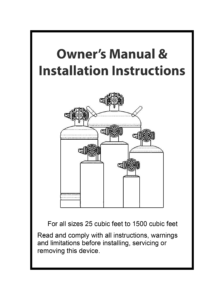 Inspection intervals
• Service schedules
• Replacement cycles
• Hydrostatic testing (for extinguishers and cylinders)
• Storage and deployment conditions
• Instructions for disposal and replacement
Transport Canada regulations specifically state that safety equipment must function as intended. This inherently incorporates manufacturer maintenance standards, because regulators do not dictate how a particular device achieves operational readiness—the manufacturer does.
In practice:
• If a portable extinguisher requires annual inspection?
You are obligated to follow that schedule.
• If a fixed suppression system requires 6-year or 12-year service?
You must comply, even if Transport Canada does not mention that system at all.
Failure to follow these intervals can render the equipment non-compliant, even if it appears visually fine.
________________________________________
4. The Misconception: “More Equipment Is Better—even if expired”
Many owners keep expired safety equipment on board “just in case.”
This creates multiple problems:
•  Expired equipment is not compliant, even as backup.
• Surveyors must report it.
• Insurers may consider it a form of negligence.
• It can confuse passengers or operators in an emergency.
• Flares and extinguishers degrade unpredictably over time.
• It can be misinterpreted as an attempt to appear compliant while not actually being compliant.
More does not equal safer.
Only functional, approved, current equipment improves safety and coverage.
________________________________________
5. Record Keeping: A Core Part of the Owner’s Responsibility
Insurers and surveyors increasingly expect owners to maintain simple but consistent documentation:
• Service receipts
• Inspection tags
• Onboard log entries
• Photographs of serial numbers, hydrostatic stamps, and expiry dates
• Dates of battery replacements (EPIRB, smoke detectors, alarms)
 Good records support:
• Valid insurance coverage
• Faster claims processing
• Positive survey outcomes
• Demonstration of due diligence
• Lower liability exposure
Poor records create ambiguity—and ambiguity rarely favours the vessel owner.
________________________________________
6. Insurance Implications: How Non-Compliance Affects Coverage
Insurers evaluate risk.
Non-compliant safety equipment signals elevated risk.
Possible consequences include:
• Coverage restrictions
• Conditional renewal
• Higher premiums
• Mandatory re-inspection
• Delayed or disputed claims
• Denied claims in cases involving fire, collision, or injury
A common theme in claim disputes:
“The vessel was found to be non-compliant with mandatory safety equipment requirements at the time of the incident.”
Even unrelated claims can be affected, because non-compliance indicates a general lack of vessel maintenance and management.
________________________________________
7. Disposal of Expired Equipment
Expired safety equipment must be disposed of responsibly:
•  Flares: taken to police-approved disposal events (Ontario-specific)
• Fire extinguishers: local hazardous waste depots
• Batteries: recycling centres
• Compressed gas cylinders: certified disposal services
Disposal is part of responsible ownership.
Keeping expired items onboard is not.
________________________________________
Conclusion: Compliance Protects People, Vessels, and Insurance Coverage
Safety equipment compliance is not a bureaucratic formality—it is a cornerstone of responsible boating and a fundamental element of effective insurance coverage. When owners follow both legislation and manufacturer guidance, they protect:
• Passengers
• The vessel
• Themselves
• Their insurance coverage
• Their financial security
A compliant vessel is a safer vessel.
And a safer vessel is always easier to insure.
 This article is provided for general information only and does not constitute legal or insurance advice. Requirements may differ based on your vessel, location, insurer, and circumstances. Always consult your insurance provider, Transport Canada, and qualified professionals for guidance specific to your vessel.