
Article 4 of 9 — Marine Surveys Knowledge Series
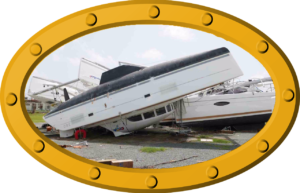 A damage survey is conducted when a vessel has experienced a known or suspected incident resulting in physical damage, operational impairment, or insurance-related claims activity.
Unlike condition-based surveys such as pre-purchase or insurance inspections, damage surveys are event-driven. They focus on documenting what has occurred, what is observable at the time of inspection, and how that condition relates to the reported incident.
These surveys often play an important role in insurance and repair processes, providing an independent technical record that can support communication between owners, insurers, and repair facilities.
A damage survey is conducted when a vessel has experienced a known or suspected incident resulting in physical damage, operational impairment, or insurance-related claims activity.
Unlike condition-based surveys such as pre-purchase or insurance inspections, damage surveys are event-driven. They focus on documenting what has occurred, what is observable at the time of inspection, and how that condition relates to the reported incident.
These surveys often play an important role in insurance and repair processes, providing an independent technical record that can support communication between owners, insurers, and repair facilities.
 Damage surveys focus on the physical condition of the vessel following an incident, and how that condition relates to the reported event.
This typically includes structural damage assessment, inspection of affected machinery and systems, and identification of secondary or consequential damage.
Where accessible and appropriate, the survey may also consider adjacent systems or areas that could have been influenced by the incident.
The objective is not only to document visible damage, but to provide context that supports a clearer understanding of scope and severity for technical and insurance purposes.
Damage surveys focus on the physical condition of the vessel following an incident, and how that condition relates to the reported event.
This typically includes structural damage assessment, inspection of affected machinery and systems, and identification of secondary or consequential damage.
Where accessible and appropriate, the survey may also consider adjacent systems or areas that could have been influenced by the incident.
The objective is not only to document visible damage, but to provide context that supports a clearer understanding of scope and severity for technical and insurance purposes.
 Preparation for a damage survey is often focused on ensuring safe and clear access to affected areas.
 NIMA Marine provides independent damage surveys focused on practical assessment, clear documentation, and objective technical reporting.
Contact NIMA Marine to discuss your damage survey requirements.
NIMA Marine provides independent damage surveys focused on practical assessment, clear documentation, and objective technical reporting.
Contact NIMA Marine to discuss your damage survey requirements.
Damage Surveys: Understanding Condition, Cause, and Repair Context
Introduction
A damage survey is conducted when a vessel has experienced a known or suspected incident resulting in physical damage, operational impairment, or insurance-related claims activity.
Unlike condition-based surveys such as pre-purchase or insurance inspections, damage surveys are event-driven. They focus on documenting what has occurred, what is observable at the time of inspection, and how that condition relates to the reported incident.
These surveys often play an important role in insurance and repair processes, providing an independent technical record that can support communication between owners, insurers, and repair facilities.
What Is a Damage Survey?
A damage survey is an independent inspection carried out following an incident to assess the nature, extent, and observable cause of damage to a vessel. The survey does not recreate events or assign fault. Instead, it documents physical evidence, affected systems and components, and the relationship between reported events and observed damage. Findings are typically used to support claims handling, repair planning, and technical assessment of whether damage is consistent with the reported incident. Where appropriate, the survey may also identify pre-existing conditions that are unrelated to the incident but relevant to overall vessel condition or repair scope.When Damage Surveys Are Required
Damage surveys are commonly requested following events such as:- Groundings, collisions, or hard contact incidents
- Storm or weather-related damage
- Mechanical or system failures with secondary damage
- Fire, flooding, or onboard emergency events
- Insurance claims requiring independent assessment
What the Survey Focuses On
Damage surveys focus on the physical condition of the vessel following an incident, and how that condition relates to the reported event.
This typically includes structural damage assessment, inspection of affected machinery and systems, and identification of secondary or consequential damage.
Where accessible and appropriate, the survey may also consider adjacent systems or areas that could have been influenced by the incident.
The objective is not only to document visible damage, but to provide context that supports a clearer understanding of scope and severity for technical and insurance purposes.
How Survey Findings Are Used
Damage survey findings are primarily used to support claims assessment, repair planning, and technical decision-making. In an insurance context, they may assist in determining whether reported damage is consistent with the incident description, and help establish the scope of covered repairs. They are also frequently used by repair facilities and owners to define repair strategies, identify required specialist input, and prioritise restoration work. In some cases, findings may contribute to discussions around repair feasibility or whether replacement of components is more appropriate than repair.Roles and Responsibilities
Owner / Operator: Responsible for reporting incidents accurately, maintaining the vessel in a safe condition following damage, and facilitating access for inspection and assessment. Owners are generally expected to take reasonable steps to prevent further deterioration pending repair or resolution. Marine Surveyor (Yacht & Small Craft): Provides an independent observational assessment of damage and condition at the time of inspection. The survey is based on accessible evidence and does not involve reconstruction of events or assignment of liability. The surveyor may identify areas where further specialist input is required, particularly in relation to structural, mechanical, or electrical systems beyond visual assessment. Insurer / Underwriter: Evaluates survey findings alongside policy terms, incident reports, and other evidence to determine claims applicability and coverage decisions.Preparing for a Damage Survey
Preparation for a damage survey is often focused on ensuring safe and clear access to affected areas.
- Ensure the vessel is safely secured and stable for inspection
- Provide access to all damaged and potentially affected areas
- Make incident reports and relevant documentation available
- Preserve evidence where possible prior to repair or cleanup
- Coordinate access with insurers, contractors, or other stakeholders
Common Misunderstandings
Damage surveys are sometimes misunderstood as determining responsibility or providing definitive conclusions about causation. In practice, their role is more limited and technical in nature. They do not assign liability, and they do not replace the investigative role of insurers, legal representatives, or regulatory authorities where applicable. They also do not guarantee repair outcomes or final costs. Repair scope and methodology are typically developed in collaboration with repair facilities, insurers, and other technical specialists.Why Damage Surveys Matter
Damage surveys provide a structured and independent record of vessel condition following an incident. This helps reduce uncertainty during a period where clarity is often limited and multiple stakeholders may be involved. For owners, they provide a clear technical basis for understanding what has been affected and what repair work may be required. For insurers, they support consistent claims evaluation. For repair facilities, they assist in defining scope and planning restoration work. In many cases, early and accurate damage assessment helps reduce delays, avoid unnecessary work, and improve coordination between all parties involved.Survey Scope and Limitations
This article is provided for general informational purposes only and does not constitute a marine damage inspection of any specific vessel. Damage surveys are conducted within an agreed scope of work and are limited to observations made at the time of inspection. Access constraints, safety considerations, and vessel condition may affect findings. The survey reflects observable condition only and does not determine liability, assign fault, or guarantee repair outcomes. Insurance decisions, claims outcomes, and repair approvals remain the responsibility of the relevant parties.Next Steps
If your vessel has experienced damage or you are managing an insurance-related incident, an independent survey can provide clarity and support informed decision-making.NIMA Marine provides independent damage surveys focused on practical assessment, clear documentation, and objective technical reporting.
Contact NIMA Marine to discuss your damage survey requirements.
 This article is provided for general information only and does not constitute legal or insurance advice. Requirements may differ based on your vessel, location, insurer, and circumstances. Always consult your insurance provider, Transport Canada, and qualified professionals for guidance specific to your vessel.