Article 7 of 9 — Marine Surveys Knowledge Series
Choosing the Right Marine Survey: Scope, Purpose, and Custom Survey Engagements
Introduction

Marine surveys are not one-size-fits-all services. The type of survey required depends on the purpose of the engagement, the nature of the vessel or asset, and the decisions that the findings are intended to support.
In practice, most survey work falls somewhere between defined categories, often with overlap in scope, especially where insurance, finance, condition, and operational considerations intersect.
Understanding this distinction is essential to ensuring that the right level of assessment is carried out for the intended outcome.
Why Survey Scope Matters
Survey scope defines what is being assessed, why it is being assessed, and how the findings are intended to be used.
Without clear scope definition, there is a risk that expectations, deliverables, or interpretations may not align with the actual purpose of the survey.
A clearly defined scope helps ensure that:
- The correct areas of the vessel are assessed
- The findings are relevant to the intended decision-making process
- Stakeholders understand the limitations of the inspection
- The report can be used appropriately within insurance, purchase, or operational contexts
Common Types of Marine Surveys
While survey types are often described in general terms, in practice they frequently overlap depending on client requirements and vessel condition.
Common survey categories include:
- Pre-purchase condition surveys
- Insurance surveys for risk and insurability assessment
- Damage surveys following incidents or claims
- Marine cargo surveys for yachts and equipment in transport
- Valuation surveys for financial, insurance, or legal purposes
Each of these serves a different primary purpose, but may share observational methods or reporting structures depending on scope.
Where Survey Types Overlap 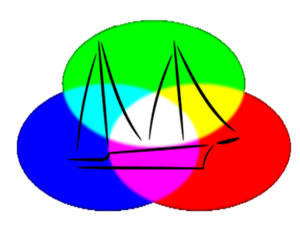
In real-world practice, survey categories are rarely isolated.
For example, a pre-purchase survey may also support insurance placement. A damage survey may include elements of condition assessment. A valuation may be informed by findings from a condition inspection.
This overlap is not unusual—it reflects the interconnected nature of vessel ownership, operation, and financial or insurance considerations.
The key distinction is not the label of the survey, but the primary purpose for which it is being conducted.
Custom Survey Engagements
Not all survey requirements fit neatly into standard categories.
Custom survey engagements are used where the scope of work is defined by specific operational, technical, or decision-making needs that extend beyond a single survey type.
These may include combined condition and valuation assessments, multi-stage inspections, or focused technical evaluations of specific systems or operational concerns.
Custom engagements are structured through clear agreement on scope, objectives, and reporting expectations before work begins.
Defining Scope Clearly
Clear scope definition is one of the most important aspects of any marine survey engagement.
It ensures alignment between the client’s objectives and the surveyor’s professional assessment.
A well-defined scope typically considers:
- The purpose of the survey (purchase, insurance, damage, valuation, etc.)
- The level of detail required
- Access availability and operational constraints
- Relevant documentation or history
- Any known areas of concern or focus
Common Misunderstandings
One common misunderstanding is that survey type alone determines the outcome or depth of reporting.
In reality, the scope agreement and intended use of the report are often more important than the survey category itself.
Another misconception is that a single survey can fully satisfy all possible needs (insurance, purchase, valuation, and compliance) without adjustment to scope. In practice, these objectives may require different levels of emphasis.
Why Communication Matters
Effective marine surveying relies heavily on clear communication between the client and surveyor prior to inspection.
Many issues that arise later in transactions or claims can often be traced back to unclear expectations regarding scope or intended use of the report.
A well-structured discussion before the survey helps ensure that the correct areas are examined and that findings are appropriately aligned with the decision-making process.
In many cases, the conversation leading into the survey is as important as the inspection itself.
Survey Scope and Limitations
This article is provided for general informational purposes only and does not constitute a survey or inspection of any specific vessel or situation.
All marine surveys are conducted within an agreed scope of work and are limited to observations made at the time of inspection. The scope defines what is included, what is excluded, and the intended purpose of the report.
Survey findings are intended to support informed decision-making but do not replace the role of insurers, legal professionals, or other third parties in determining outcomes.
Next Steps
If you are unsure what type of marine survey is appropriate for your vessel or situation, clarifying the intended purpose is the most important first step.
 NIMA Marine provides structured marine survey services tailored to condition, insurance, valuation, and operational requirements across yachts, small craft, and workboats.
Contact NIMA Marine to discuss your survey requirements.
 This article is provided for general information only and does not constitute legal or insurance advice. Requirements may differ based on your vessel, location, insurer, and circumstances. Always consult your insurance provider, Transport Canada, and qualified professionals for guidance specific to your vessel.