
Preparing for a Survey: Essential Steps for Yacht and Small Craft Owners
 Introduction
Preparing for a marine survey is a crucial step for yacht and small craft owners. A thorough preparation process not only maximizes the survey’s effectiveness but also ensures that potential issues are identified and addressed before they escalate. This article will guide you through the essential steps to take before your scheduled survey, focusing on defining the objectives and scope, gathering documentation, and logistical arrangements.
Understanding the Purpose of the Survey
Understanding the purpose and objectives of the survey is fundamental to effective preparation. The goals of the survey can vary widely depending on its type:
Objectives of Different Surveys
- Pre-Purchase Survey: The main objective is to evaluate the condition of the vessel to inform potential buyers. This includes identifying any hidden issues that could impact the purchase decision.
- Insurance Survey: This survey assesses the asset’s condition to determine coverage needs and risks. It ensures compliance with insurance company requirements for underwriting.
- Damage Survey: Conducted after an incident, this survey aims to assess the extent of damages, providing necessary documentation for claims.
- Custom Surveys: Tailored to specific needs, these surveys might focus on unique aspects such as environmental impacts or specialized equipment evaluations.
Defining the Scope
 Defining the scope of the survey is crucial to ensure all relevant areas are covered and that necessary customizations are made. This can include specific checks for equipment, structural integrity, and compliance with regulatory standards. For example, if the vessel underwent modifications or repairs, the survey should specifically focus on those areas to ensure they meet safety and operational standards.
Step 1: Gather Relevant Documentation
Preparing the necessary documentation is a vital first step. Here are the types of documents you should collect:
- Previous Survey Reports: If available, provide any past survey reports to give the surveyor context on the vessel’s history.
- Maintenance Records: Collect records of repairs, routine maintenance, upgrades, and any completed surveys. This information helps the surveyor understand the care and attention the vessel has received over time.
- Service Manuals: Include operational and service manuals for onboard equipment, which can aid in the assessment process.
- Title and Registration Documents: Ensure that ownership and registration documents are in order and readily available.
- Documentation of Previous Repairs: Detailing specific repairs and upgrades allows the surveyor to assess whether those changes were completed to appropriate standards and if they impact the current valuation or condition.
Step 2: Clean and Organize the Vessel
 A clean and organized vessel not only makes a good impression but also allows the surveyor to conduct a more efficient and effective evaluation. Consider the following:
- Exterior Cleaning: Wash the hull and deck thoroughly to allow for a clear inspection of the vessel’s condition. Pay special attention to areas where moisture might accumulate or where signs of wear are more evident.
- Interior Organization: Organize the interior spaces, ensuring that the surveyor can easily access critical areas, including hull penetrations, storage compartments, the engine room, and any under-deck systems. A tidy environment conveys a well-maintained vessel.
- Address Visible Repairs: Attend to minor repairs or visible issues that you can manage, as fixing these can positively influence the survey results. It’s beneficial to have any repairs documented and readily available for the surveyor’s review.
Step 3: Prepare for the Physical Inspection
The physical inspection is a critical part of the survey, and thorough preparation can significantly impact the outcome. This section will elaborate on the logistical arrangements that ensure a smooth and efficient survey process.
Logistical Arrangements
Effective logistical arrangements are crucial for maximizing the surveyor’s efficiency. Here’s what you should consider:
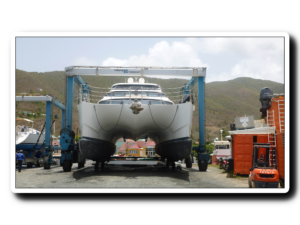
- Haul-Outs: Arrange for any necessary haul-outs well in advance. Ensure that the vessel is positioned in a suitable location for inspection, whether on land or at a dock. Confirm the timing with the boat yard to facilitate a smooth lift and inspection process.
- Coordinating with Multiple Parties: Logistics often involve a coordination of efforts among brokers, agents, boat yards, marinas, contractors, and the buyer or seller. Identify who is responsible for each component—such as securing a haul-out, arranging transport, or setting up rigging inspections—and maintain open lines of communication to ensure everyone is on the same page.
- Preparing for Sea Trials: If sea trials are part of the survey, confirm that the captain and crew are available and prepared for the day. Ensure the vessel is operational and ready for testing key systems (e.g., engines, electrical systems) as the surveyor will need to monitor these during the trial.
- Berthing Arrangements: Coordinate berthing logistics to accommodate the surveyor’s schedule. Ensure the vessel is correctly moored and accessible for inspections, minimizing delays.
- Consider Environmental Factors: Always factor in local tide schedules and weather conditions. Poor visibility or inclement weather can hinder a surveyor’s ability to conduct thorough inspections. Planning around these variables is essential for maximizing effectiveness.
- Understanding Responsibilities: Clearly delineate who is responsible for each logistical component. The surveyor’s focus is on assessing the vessel’s condition, not on overseeing operations or logistics. It’s vital that all logistical tasks—including movement of equipment, crew availability, and vessel readiness—are executed seamlessly before the surveyor arrives.
- Preparing Access Points: Ensure that all areas of the vessel are readily accessible for inspection, including the engine compartment, bilges, and storage compartments. Removing obstacles will allow the surveyor to efficiently move around and perform a thorough evaluation.
By arranging these logistical components in advance and ensuring that roles and responsibilities are clear, you can significantly enhance the surveyor’s ability to conduct a detailed and effective inspection—all while minimizing confusion and delays.
 Step 4: Be Available and Responsive
Your availability during the survey is crucial. Here’s how to prepare:
- Engage with the Surveyor: Be present to answer any questions the surveyor may have about the vessel’s history or any modifications that have been made. Your insights can help the surveyor make informed assessments.
- Provide Additional Context: Share relevant information about past issues, especially those that may affect the survey results. This transparency can lead to a more accurate assessment of the vessel’s condition.
- Stay Open to Recommendations: Be receptive to any suggestions or findings presented by the surveyor. Their feedback is invaluable for future operations and ensuring the vessel remains in top condition.
- Be Proactive in Communications: Maintain clear communication with the surveyor throughout the process to clarify any points of concern, ensuring there are no misunderstandings about what is being assessed.
Step 5: Follow-Up After the Survey
After the survey has been completed, it’s essential to follow up effectively:
- Review the Report: Carefully examine the survey report for findings, recommendations, and potential issues that need addressing. Look for any trends or recurring problems that may require immediate attention.
- Plan for Repairs: Create a responsive plan to tackle necessary repairs or maintenance based on the survey results. Prioritize issues based on safety implications and overall impact on the vessel’s performance.
- Engage Professionals: If significant issues are identified, consider seeking further consultations with marine professionals. Collaborating with experts can aid in effective troubleshooting and repair methods.
- Document Actions Taken: Keep a record of all actions taken as a follow-up to the survey. This documentation is beneficial for future surveys and can help establish a maintenance history for the vessel.
- Maintain Open Communication: Keep in touch with the surveyor for any follow-up questions or clarifications about their findings and recommendations. Their expert advice can guide you in making informed decisions regarding your vessel.
 Conclusion
Preparing for a marine survey involves thoughtful planning and organization. By understanding the purpose and scope of the survey, gathering relevant documentation, coordinating logistics, and being available during the inspection, you can ensure a smoother surveying process and maximize the value recognized in your yacht or small craft.
For expert marine surveying and consulting services tailored to your needs, Contact NIMA Marine today and let us assist you through every step of your marine journey.
 This article is provided for general information only and does not constitute legal or insurance advice. Requirements may differ based on your vessel, location, insurer, and circumstances. Always consult your insurance provider, Transport Canada, and qualified professionals for guidance specific to your vessel.